Wisdom teeth are the final set of molars to grow, typically emerging between the ages of seventeen and twenty five. For many individuals, these molars do not come in smoothly or correctly due to lack of space or improper positioning. As a result, Wisdom Teeth Removal becomes an essential step in maintaining long term oral health. Understanding why these teeth often need to be removed and how the procedure benefits long term well being can help patients make informed decisions about their oral care.

Understanding Wisdom Teeth and Their Purpose
Wisdom teeth were once essential for early humans who needed powerful molars to grind tough foods. However, the modern diet and reduced jaw size have made these teeth less functional and more problematic.
Why Wisdom Teeth Often Cause Problems
Most people do not have enough room in their jaws for wisdom teeth to grow properly. When there is insufficient space, the teeth may become impacted. This means they remain trapped beneath the gums or grow at an angle that disrupts surrounding teeth.
Common Issues Related to Impacted Teeth
Impacted wisdom teeth can lead to several oral health challenges. These may include infections, cysts, swelling, and pain. In many cases, individuals do not realize that wisdom teeth are causing problems until symptoms become more noticeable.
Benefits of Early Wisdom Teeth Removal
Although wisdom teeth may not always pose immediate discomfort, removing them at the right time offers several long term benefits.
Reducing the Risk of Infection
Bacteria can easily accumulate around partially erupted wisdom teeth. Since these teeth are far back in the mouth, they are harder to clean properly. Left untreated, bacteria can cause infections that may affect surrounding tissues and lead to complications.
Preventing Damage to Nearby Teeth
When wisdom teeth grow at an angle, they can push against neighboring molars. This pressure can cause shifting, crowding, or even structural damage to healthy teeth. By choosing Wisdom Teeth Removal before serious issues occur, patients can avoid unnecessary discomfort and preserve their natural bite alignment.
Minimizing Discomfort and Pain
Even if wisdom teeth do not cause immediate pain, they often lead to soreness or discomfort over time. Early removal can prevent future episodes of inflammation, swelling, and nerve irritation.
Long Term Oral Health Advantages
Removing wisdom teeth supports several aspects of long term oral health, from preventing gum disease to maintaining a healthy jaw.
Improved Gum Health
Wisdom teeth often create tight spaces that collect food debris and bacteria. These areas can be difficult to clean, which increases the risk of gum inflammation. Over time, this may contribute to chronic gum disease. Removing wisdom teeth helps promote easier cleaning and healthier gum tissue.
Protection Against Cysts and Tumors
In some cases, impacted wisdom teeth can form cysts around the developing tooth sac. If left untreated, these cysts may damage the jawbone and surrounding nerves. Although rare, tumors can also develop in the same region. Wisdom Teeth Removal significantly reduces the likelihood of these complications.
Better Long Term Orthodontic Outcomes
Individuals who have undergone orthodontic treatment often worry that their wisdom teeth may cause their teeth to shift out of alignment. Although this does not happen in every case, removing wisdom teeth early can provide peace of mind and protect orthodontic results.
What to Expect Before the Procedure
Many people feel uncertain about what happens before their wisdom teeth are removed. Understanding the process can help ease anxiety.
Comprehensive Evaluation
The dentist or oral surgeon starts with a thorough evaluation. This includes examining the mouth and taking X rays to determine the position of the wisdom teeth. These images reveal whether the teeth are impacted or if their roots are close to nerves or sinuses.
Discussion of Treatment Options
After evaluating the X rays and oral condition, the specialist discusses treatment options. Patients receive guidance on whether immediate Wisdom Teeth Removal is necessary or if it is safe to monitor their teeth for future changes.
Preparation for the Procedure
Patients may be instructed to follow specific guidelines before the procedure. These may include fasting if sedation is planned and arranging transportation if anesthesia will be administered.
The Wisdom Teeth Removal Procedure
The actual process varies depending on the position of the teeth and the complexity of the case.
Administering Anesthesia
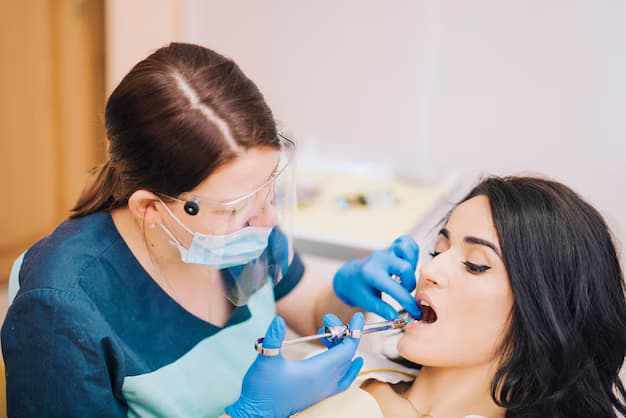
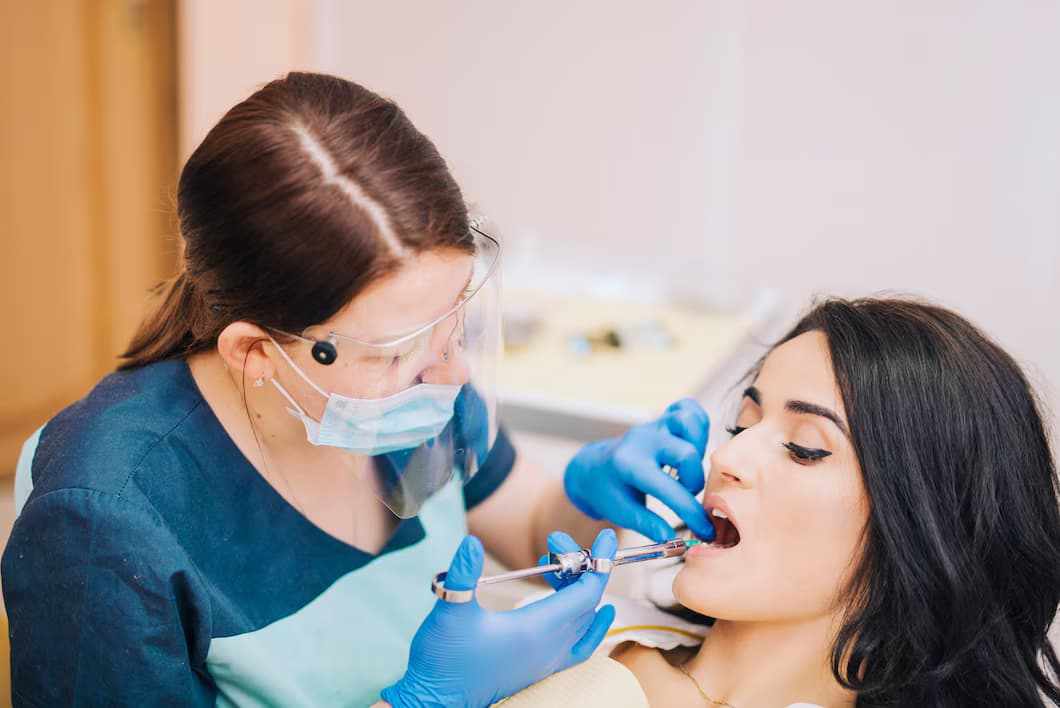
To ensure comfort, the dental professional administers local anesthesia. In some situations, sedation or general anesthesia may be recommended based on the patient’s needs and the complexity of the procedure.
Accessing and Removing the Teeth
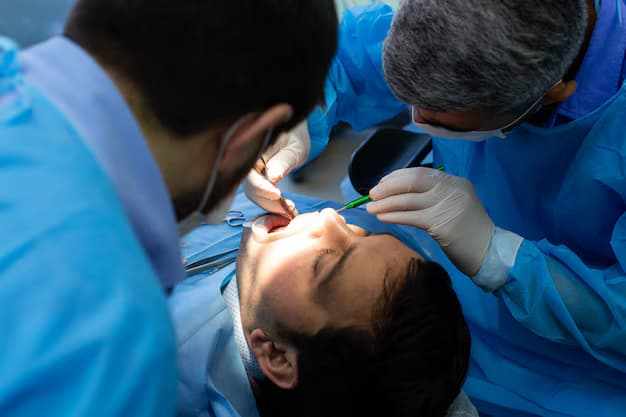
After numbing the area, the specialist creates an opening in the gum tissue to access the tooth. If the tooth is impacted, it may be necessary to remove small portions of bone or divide the tooth into sections for easier removal.
Closing the Site
Once the tooth is removed, the area is cleaned and sutures may be placed to promote healing. Gauze is applied to control bleeding and support clot formation.
Recovery After Wisdom Teeth Removal
Recovery is an essential part of the process. Following proper guidelines ensures smoother healing and reduces the risk of complications.
Managing Swelling and Discomfort
Some swelling is normal for the first few days. Patients can use ice packs to help reduce swelling and take prescribed or recommended medications to manage discomfort.
Maintaining Oral Hygiene
Proper oral hygiene is important during the healing period. Patients are usually advised to rinse gently with salt water and avoid brushing near the surgical site for the first day. Keeping the mouth clean helps prevent infection and promotes faster healing.
Diet and Activity Tips
Soft foods are recommended during the initial recovery period. Patients should avoid hard, crunchy, or spicy foods that may irritate the area. They are also encouraged to limit strenuous activity for a few days after the procedure.
Potential Risks and How They Are Managed
Although Wisdom Teeth Removal is a common procedure, it is important to be aware of possible risks.
Dry Socket and How to Prevent It
A dry socket occurs when the blood clot becomes dislodged from the extraction site. This can cause significant discomfort. Patients are typically advised to avoid using straws, smoking, or forceful rinsing to minimize this risk.
Infection and When to Seek Help
While rare, infections can occur if bacteria enter the surgical site. Signs of infection include severe pain, swelling that worsens, or fever. Prompt follow up with the dental provider ensures proper care.
Nerve Sensitivity
In some cases, wisdom teeth may grow close to nerves in the lower jaw. Skilled dental professionals take great care to minimize the risk of nerve irritation during removal.
Why Timely Removal Matters for Long Term Health
Choosing Wisdom Teeth Removal before serious problems arise offers long term benefits that extend well beyond the initial recovery period.
Lower Chance of Future Complications
Removing wisdom teeth at an earlier age often results in faster recovery and fewer complications. The roots are typically less developed, and the bone is more flexible, which makes the procedure easier and safer.
Healthy Bite Alignment
By eliminating pressure from impacted wisdom teeth, patients can protect the alignment of their teeth and preserve the natural shape of their smile.
Boosted Overall Oral Health
Wisdom teeth can contribute to recurring pain, swelling, and infection. Removing them promotes a healthier environment for the remaining teeth and gums.
Conclusion
Wisdom Teeth Removal is an important step toward maintaining long term oral health. By preventing infections, reducing the risk of damage to surrounding teeth, and supporting overall gum health, this procedure plays a vital role in preserving a healthy smile. For trusted and compassionate care, patients can rely on Clove Dental Ventura for their oral health needs.






Write a comment ...