
Dental care involves a wide range of services designed to maintain oral health, restore function, and improve quality of life. When people experience dental problems, they often wonder whether to visit a general dentist or seek care from oral surgeons. Understanding the difference between these two types of dental professionals helps patients make informed decisions about their treatment options. While both play essential roles in oral healthcare, their training, scope of practice, and the procedures they perform can vary significantly.
This article explains the key differences between oral surgeons and general dentists, their areas of expertise, and when each type of professional is most appropriate for patient care.
Understanding the Role of a General Dentist
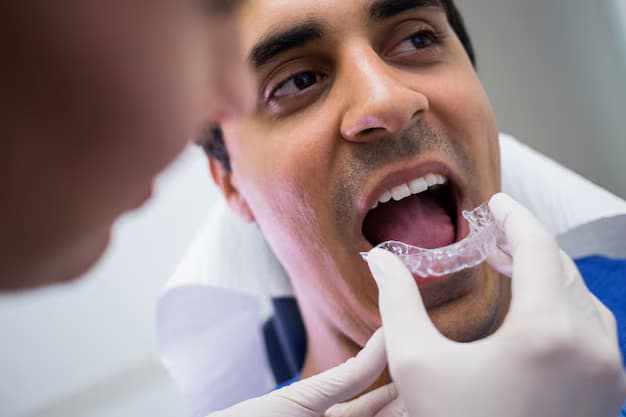
A general dentist is usually the first point of contact for routine dental care. They focus on preventive, diagnostic, and restorative services that support everyday oral health.
Education and Training of a General Dentist
General dentists complete dental school and earn a dental degree that prepares them to manage a wide range of common oral health concerns. Their training emphasizes prevention, diagnosis, and treatment of dental conditions affecting teeth and gums.
Common Services Provided by General Dentists
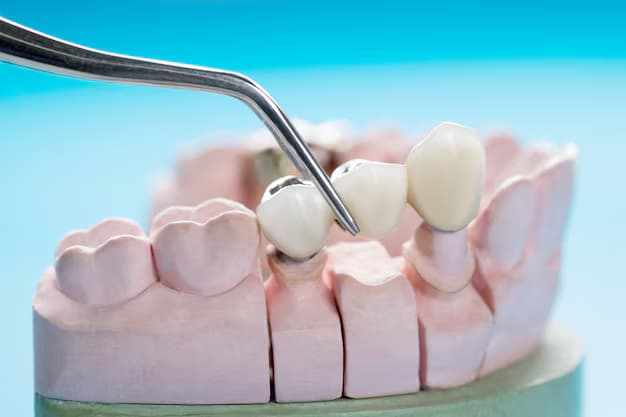
General dentists offer services such as dental cleanings, exams, fillings, crowns, bridges, preventive treatments, and basic extractions. They also educate patients on oral hygiene and help detect issues early.
Focus on Preventive and Routine Care
Preventive care is a central part of general dentistry. Regular checkups, cleanings, and early intervention help prevent serious dental problems and reduce the need for complex procedures.
Understanding the Role of Oral Surgeons
Oral surgeons are dental specialists who focus on surgical procedures involving the mouth, jaw, and face. Their role often extends beyond routine dental care.
Specialized Training of Oral Surgeons
Oral surgeons complete additional years of advanced training after dental school. This specialized education focuses on surgery, anesthesia, and the management of complex oral and facial conditions.
Scope of Practice for Oral Surgeons
Oral surgeons perform procedures such as impacted tooth removal, jaw surgery, dental implant placement, and treatment of facial trauma. They are also trained to manage complex cases that require surgical expertise.
Expertise in Surgical and Complex Cases
Oral surgeons are skilled in handling conditions that go beyond the scope of general dentistry. Their training allows them to address issues involving bone, soft tissue, and facial structure.
Key Differences Between Oral Surgeons and General Dentists
While both professionals are essential to oral healthcare, there are important differences in their roles and capabilities.
Level of Specialization
General dentists provide comprehensive routine care, while oral surgeons specialize in surgical procedures. Oral surgeons receive advanced training that allows them to manage complex cases.
Types of Procedures Performed
General dentists focus on restorative and preventive treatments. Oral surgeons handle surgical interventions such as wisdom tooth extraction, corrective jaw surgery, and implant placement.
Use of Anesthesia and Sedation
Oral surgeons are trained to administer various forms of anesthesia, including deep sedation. General dentists may offer limited sedation options depending on training and procedure type.
When to See a General Dentist
In many cases, a general dentist is the best choice for maintaining oral health and addressing common concerns.
Routine Dental Checkups and Cleanings
Regular exams and cleanings are handled by general dentists. These visits help prevent cavities, gum disease, and other oral health issues.
Treatment of Cavities and Minor Damage
Fillings, crowns, and minor restorative treatments are typically provided by general dentists. Early treatment helps preserve natural teeth.
Ongoing Oral Health Management
General dentists monitor oral health over time and create long term care plans. They often coordinate referrals when specialized care is needed.
When to See Oral Surgeons
Certain conditions require the advanced skills and training of oral surgeons.
Impacted or Complex Tooth Extractions
Wisdom teeth that are impacted or difficult to remove often require oral surgeons. Their expertise helps reduce complications and improve recovery.
Dental Implant Surgery
While some general dentists place implants, oral surgeons are commonly involved in implant surgery, especially in complex cases involving bone loss.
Jaw and Facial Surgery
Conditions affecting jaw alignment, facial structure, or trauma require surgical intervention by oral surgeons. These procedures improve function and appearance.
Treatment of Oral Pathology
Oral surgeons diagnose and treat cysts, tumors, and other abnormalities in the mouth and jaw. Early detection and treatment are critical for health.
Collaboration Between Oral Surgeons and General Dentists
General dentists and oral surgeons often work together to provide comprehensive care.
Referral Process and Coordinated Care
When a condition requires surgical expertise, general dentists refer patients to oral surgeons. After surgery, patients often return to their general dentist for follow up care.
Shared Focus on Patient Well Being
Both professionals prioritize patient comfort, safety, and outcomes. Collaboration ensures patients receive appropriate treatment at every stage.
Continuity of Care
This teamwork allows for seamless care from diagnosis to recovery. Patients benefit from clear communication and coordinated treatment plans.
Comparing Training and Qualifications
Training differences help explain the distinct roles of general dentists and oral surgeons.
Educational Path of General Dentists
General dentists complete dental school and are trained to manage a broad range of dental conditions. Their education emphasizes prevention and restoration.
Advanced Education for Oral Surgeons
Oral surgeons undergo additional years of residency training focused on surgery and anesthesia. This prepares them for complex procedures.
Ongoing Professional Development
Both general dentists and oral surgeons participate in continuing education to stay current with advances in dental care.
Patient Experience With General Dentists and Oral Surgeons
The patient experience may differ depending on the type of care needed.
Comfort and Familiarity in General Dentistry
Patients often develop long term relationships with their general dentist. Routine visits are familiar and focused on prevention.
Surgical Environment With Oral Surgeons
Visits with oral surgeons may involve surgical settings and anesthesia. These appointments focus on addressing specific complex issues.
Recovery and Aftercare
Oral surgeons provide detailed post surgical care instructions. General dentists often support recovery with follow up visits.
Choosing the Right Professional for Your Needs
Understanding dental needs helps patients decide which professional to see.
Evaluating the Complexity of the Issue
Simple dental concerns are usually managed by general dentists. Complex or surgical issues may require oral surgeons.
Seeking Professional Guidance
General dentists often guide patients on whether a referral is necessary. Their assessment helps ensure appropriate care.
Importance of Timely Treatment
Prompt evaluation and treatment reduce the risk of complications. Knowing where to seek care supports better outcomes.
Common Myths About Oral Surgeons and General Dentists
Misunderstandings can cause confusion when choosing dental care.
Myth That Oral Surgeons Replace General Dentists
Oral surgeons do not replace general dentists. They complement each other by focusing on different aspects of care.
Myth That Surgery Is Always Required
Not all dental issues require surgery. General dentists manage many conditions without surgical intervention.
Myth That Referrals Mean Serious Problems
Referrals to oral surgeons are common and often preventive. They help address issues before they become more serious.
Benefits of Understanding the Difference
Knowing the roles of oral surgeons and general dentists empowers patients.
Improved Decision Making
Patients can make informed choices about their care when they understand professional roles.
Reduced Anxiety About Treatment
Understanding what to expect helps reduce fear and uncertainty about dental procedures.
Better Long Term Oral Health
Appropriate care from the right professional supports lasting oral health and comfort.
Oral Surgeons and Advances in Dental Care
Advancements in technology have expanded the capabilities of oral surgeons.
Improved Surgical Techniques
Modern techniques improve precision, comfort, and recovery times for surgical procedures.
Enhanced Patient Safety
Advances in anesthesia and monitoring enhance safety during surgical care.
Integration With Restorative Dentistry
Surgical treatments often support restorative outcomes, such as implants and jaw correction.
The Role of Preventive Care in Reducing Surgical Needs
Preventive care helps reduce the need for complex procedures.
Early Detection by General Dentists
Routine exams help identify issues before surgery is needed.
Importance of Oral Hygiene
Good daily care reduces the risk of infections and advanced dental problems.
Regular Dental Visits
Consistent care supports long term oral health and minimizes complications.
Conclusion
Understanding the difference between oral surgeons and general dentists helps patients navigate dental care with confidence. General dentists focus on preventive and routine treatments, while oral surgeons specialize in surgical and complex procedures involving the mouth and jaw. Both professionals play vital roles in maintaining oral health and often work together to provide comprehensive care. By knowing when to see each specialist, patients can ensure they receive the most appropriate and effective treatment. For individuals seeking trusted dental care and guidance on whether general dentistry or oral surgery is needed, Clove Dental Ventura is dedicated to supporting informed decisions and healthy smiles.













Write a comment ...