
Damage to teeth can occur for many reasons, including decay, cracks, wear, or trauma. When a tooth is compromised but does not require a full crown, dental onlays offer an effective and conservative restorative option. Many patients searching for dental onlays near me are looking for a treatment that preserves natural tooth structure while restoring strength, function, and appearance. Dental onlays are designed to repair damaged teeth in a precise and minimally invasive way, making them an important part of modern restorative dentistry.
This article explains what dental onlays are, how they work, their benefits, and why they are considered a conservative solution for damaged teeth.
Understanding Dental Onlays
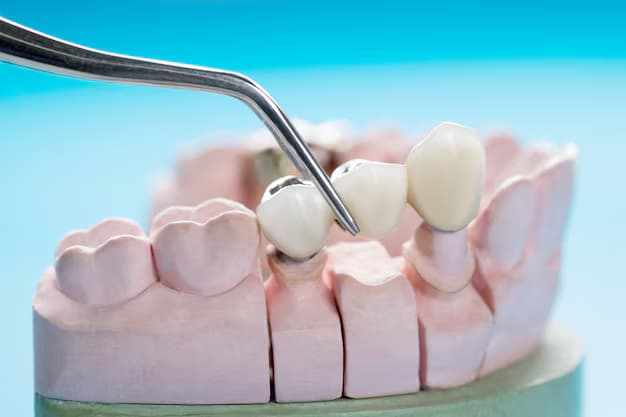
Dental onlays are custom made restorations used to repair teeth that have moderate damage. They are often described as partial crowns because they cover only the affected portion of the tooth rather than the entire surface.
What Dental Onlays Are
Dental onlays are restorations typically made from porcelain, ceramic, or composite materials. They are bonded to the tooth to restore areas damaged by decay or fractures while preserving as much healthy tooth structure as possible.
How Dental Onlays Differ from Fillings and Crowns
Unlike traditional fillings, dental onlays provide greater strength and durability for larger areas of damage. Unlike crowns, they do not require the entire tooth to be reshaped. This balance makes dental onlays a conservative and effective option.
Why Teeth Become Damaged
Understanding the causes of tooth damage helps explain when dental onlays may be recommended.
Tooth Decay
When cavities become too large for a standard filling but not severe enough for a crown, dental onlays are often an ideal solution.
Cracks and Fractures
Teeth can crack due to injury, grinding, or biting hard foods. Dental onlays help reinforce the tooth and prevent the crack from spreading.
Wear from Grinding or Acid Exposure
Long term grinding or exposure to acidic foods can wear down enamel. Dental onlays restore the lost structure and protect the remaining tooth.
The Role of Dental Onlays in Conservative Dentistry
Conservative dentistry focuses on preserving natural tooth structure whenever possible. Dental onlays align closely with this philosophy.
Preserving Healthy Tooth Structure
Dental onlays require less removal of healthy enamel compared to crowns. This helps maintain the integrity and longevity of the natural tooth.
Targeted Restoration
By covering only the damaged area, dental onlays provide targeted support without unnecessary alteration to surrounding tooth structure.
Long Term Tooth Preservation
Preserving more of the natural tooth reduces the risk of future complications and supports long term oral health.
Benefits of Choosing Dental Onlays Near Me
Patients searching for dental onlays near me often seek a balance between durability, aesthetics, and tooth preservation.
Natural Appearance
Dental onlays are custom designed to match the color and shape of natural teeth. This results in a seamless and aesthetically pleasing restoration.
Enhanced Strength and Durability
Compared to large fillings, dental onlays offer greater strength. They help reinforce the tooth and withstand chewing forces effectively.
Improved Fit and Comfort
Because dental onlays are custom made, they fit precisely. This improves comfort and reduces the risk of gaps where bacteria could enter.
Resistance to Staining
Porcelain and ceramic dental onlays are resistant to staining, helping maintain their appearance over time.
Materials Used for Dental Onlays
The material chosen for dental onlays plays a role in their appearance and durability.
Porcelain and Ceramic Onlays
Porcelain and ceramic dental onlays are popular for their natural look and strength. They closely mimic the translucency of natural enamel.
Composite Resin Onlays
Composite resin dental onlays are another option and may be used depending on the location of the tooth and functional needs.
Choosing the Right Material
The choice of material depends on factors such as bite pressure, location of the tooth, and aesthetic goals.
The Dental Onlay Procedure
The process of placing dental onlays is typically completed in multiple steps to ensure accuracy and comfort.
Initial Examination and Assessment
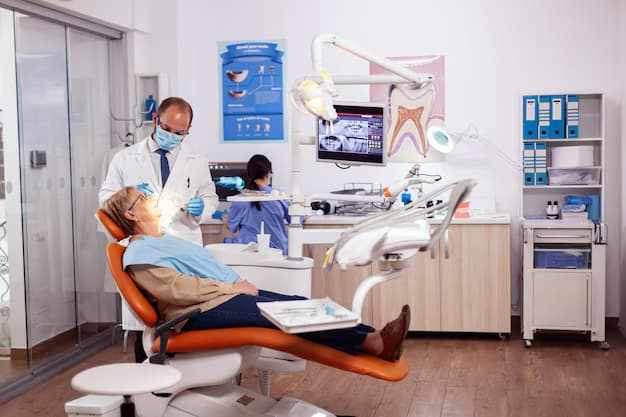
The dentist examines the tooth and determines whether dental onlays are the most appropriate treatment option. Imaging may be used to assess the extent of damage.
Tooth Preparation
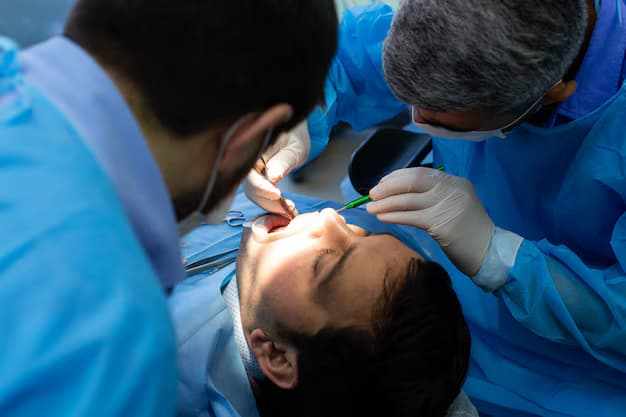
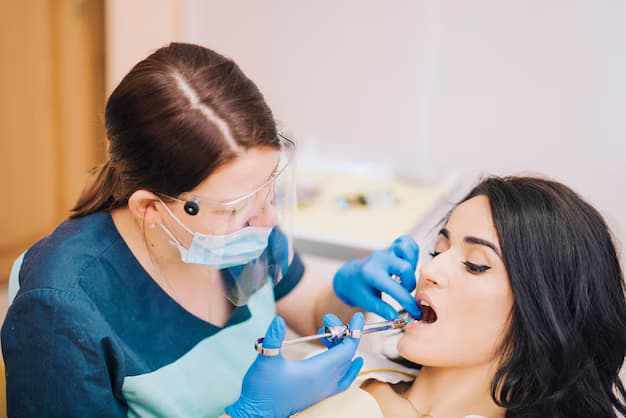
The damaged or decayed portion of the tooth is removed while preserving healthy structure. The tooth is then shaped to receive the dental onlay.
Impression and Custom Fabrication
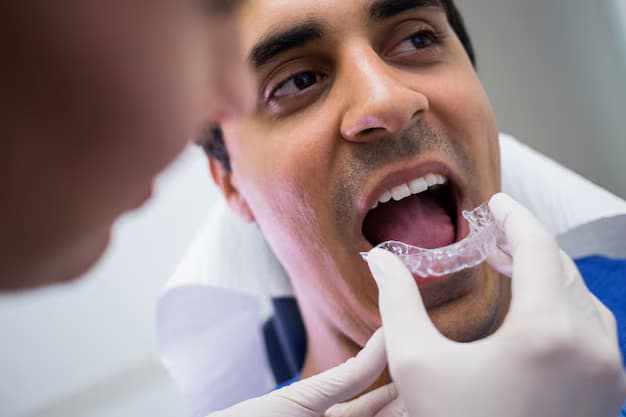
An impression or digital scan is taken to create a custom dental onlay. This ensures a precise fit and natural appearance.
Temporary Protection
A temporary restoration may be placed to protect the tooth while the permanent dental onlay is being created.
Final Placement and Bonding
Once ready, the dental onlay is bonded securely to the tooth. The dentist checks the bite and makes adjustments to ensure comfort and function.
Dental Onlays and Oral Health
Dental onlays contribute to overall oral health in several important ways.
Preventing Further Damage
By reinforcing weakened areas, dental onlays help prevent cracks and decay from spreading.
Supporting Proper Bite Function
Restoring the tooth’s shape ensures balanced bite forces and reduces strain on surrounding teeth.
Improving Cleaning and Maintenance
Smooth and well fitted dental onlays make it easier to maintain good oral hygiene.
Who Is a Good Candidate for Dental Onlays
Dental onlays are suitable for many patients but may not be ideal for every situation.
Patients with Moderate Tooth Damage
Individuals with damage too extensive for fillings but not severe enough for crowns are often ideal candidates.
Patients Seeking Conservative Treatment
Those who want to preserve as much natural tooth structure as possible may benefit from dental onlays.
Patients with Good Oral Hygiene
Maintaining good oral hygiene supports the longevity of dental onlays and overall dental health.
Caring for Teeth with Dental Onlays
Proper care helps extend the lifespan of dental onlays.
Daily Oral Hygiene Practices
Brushing and flossing regularly help protect both the dental onlay and surrounding teeth.
Avoiding Excessive Force
Avoiding habits such as teeth grinding or chewing hard objects helps prevent damage to dental onlays.
Regular Dental Checkups
Routine visits allow dental professionals to monitor the condition of dental onlays and address any concerns early.
Longevity and Durability of Dental Onlays
Dental onlays are designed to last for many years with proper care.
Factors That Affect Longevity
Material choice, bite forces, and oral hygiene habits influence how long dental onlays remain effective.
Signs That Replacement May Be Needed
Wear, loosening, or discomfort may indicate that a dental onlay needs adjustment or replacement.
Long Term Value
By preserving natural tooth structure and preventing further damage, dental onlays provide long term value and protection.
Dental Onlays Compared to Other Restorations
Understanding how dental onlays compare to other treatments helps patients make informed decisions.
Dental Onlays vs Fillings
Dental onlays offer greater strength and coverage for larger areas of damage compared to fillings.
Dental Onlays vs Crowns
Dental onlays are more conservative than crowns because they require less removal of healthy tooth structure.
Choosing the Right Option
The best restoration depends on the extent of damage, tooth location, and individual oral health needs.
The Growing Popularity of Dental Onlays Near Me
Many patients now search for dental onlays near me due to increased awareness of conservative dental solutions.
Focus on Tooth Preservation
Modern dentistry emphasizes preserving natural teeth, making dental onlays an appealing option.
Advancements in Dental Technology
Improved materials and digital techniques have enhanced the precision and success of dental onlays.
Patient Preference for Minimally Invasive Care
Patients increasingly prefer treatments that balance effectiveness with minimal alteration of natural teeth.
Conclusion
Dental onlays are a highly effective and conservative solution for restoring damaged teeth. They preserve natural tooth structure while providing strength, durability, and a natural appearance. For individuals seeking dental onlays near me, this treatment offers an excellent balance between functionality and aesthetics. By reinforcing weakened teeth and preventing further damage, dental onlays support long term oral health and comfort.
For patients looking for expert restorative dental care and personalized treatment options, Clove Dental Ventura is dedicated to helping individuals restore their smiles with confidence and lasting results.





Write a comment ...