
Missing teeth can affect more than just a smile. They can change how a person eats, speaks, and feels about their appearance. Tooth bridges have long been a trusted solution for replacing missing teeth and restoring balance to the mouth. By filling gaps left by missing teeth, tooth bridges help maintain oral function while enhancing overall aesthetics.
This article explores how tooth bridges work, their benefits, the different types available, and why they remain a popular restorative dental option for individuals seeking both functional and cosmetic improvement.
Understanding Tooth Bridges
Tooth bridges are dental restorations designed to replace one or more missing teeth by literally bridging the gap between remaining natural teeth or dental supports.
What Tooth Bridges Are Made Of
Tooth bridges are commonly made from materials such as porcelain, ceramic, metal alloys, or a combination of these. Porcelain and ceramic options are often chosen for visible areas because they closely resemble natural teeth in color and texture.
The materials used are selected based on strength, durability, and aesthetic needs.
How Tooth Bridges Work
A tooth bridge consists of artificial teeth supported by adjacent teeth or other structures. These supporting teeth hold the bridge securely in place, allowing it to function like natural teeth.
Once placed, the bridge restores continuity to the dental arch and helps distribute bite forces evenly.
The Impact of Missing Teeth on Oral Health
Understanding the consequences of missing teeth highlights the importance of timely replacement.
Changes in Chewing and Digestion
Missing teeth can make chewing difficult, leading individuals to avoid certain foods. This limitation can affect nutrition and digestion over time.
Tooth bridges help restore proper chewing ability, allowing for a more balanced diet.
Shifting of Surrounding Teeth
When a tooth is lost, nearby teeth may shift into the empty space. This movement can disrupt bite alignment and lead to uneven wear.
By filling the gap, tooth bridges help maintain proper spacing and alignment.
Bone and Jaw Changes
Although tooth bridges do not directly stimulate the jawbone, they help maintain the structure of the mouth by supporting surrounding teeth. Preventing shifting helps reduce additional strain on the jaw.
Maintaining balance in the mouth supports long term oral stability.
How Tooth Bridges Restore Oral Function
One of the primary benefits of tooth bridges is the restoration of everyday oral functions.
Improved Chewing Efficiency
Tooth bridges allow individuals to chew more effectively by replacing missing biting surfaces. This improvement supports comfortable eating and reduces strain on remaining teeth.
Balanced chewing also helps protect the jaw joints and muscles.
Enhanced Speech Clarity
Missing teeth can affect pronunciation, especially sounds that require tongue contact with teeth. Tooth bridges restore these contact points, improving speech clarity.
Clear speech contributes to confidence in social and professional interactions.
Stabilization of Bite Alignment
A balanced bite is essential for comfort and long term dental health. Tooth bridges help distribute bite forces evenly, reducing the risk of excessive pressure on specific teeth.
Proper bite alignment can help prevent jaw discomfort and tooth wear.
Aesthetic Benefits of Tooth Bridges
Beyond function, tooth bridges play a significant role in improving appearance.
Restoring a Complete Smile
Gaps in the smile can draw unwanted attention and affect self confidence. Tooth bridges close these gaps, creating a more complete and harmonious smile.
A restored smile often encourages individuals to smile more freely.
Natural Looking Results
Modern tooth bridges are designed to blend seamlessly with natural teeth. Careful attention is given to shape, size, and color to ensure a realistic appearance.
These aesthetic considerations help tooth bridges look and feel natural.
Supporting Facial Structure
Teeth play a role in supporting facial contours. Missing teeth can lead to a sunken appearance over time. Tooth bridges help maintain facial shape by supporting lips and cheeks.
This support contributes to a more youthful and balanced appearance.
Types of Tooth Bridges
There are several types of tooth bridges, each suited to different dental situations.
Traditional Tooth Bridges
Traditional bridges are supported by natural teeth on either side of the missing space. These supporting teeth are prepared to hold crowns that anchor the bridge.
This type is commonly used when healthy teeth are present on both sides of the gap.
Cantilever Tooth Bridges
Cantilever bridges are supported by a tooth on only one side of the missing space. They are used in specific situations where only one adjacent tooth is available for support.
Careful planning is required to ensure proper function and durability.
Maryland Tooth Bridges
Maryland bridges use a metal or ceramic framework bonded to the back of adjacent teeth. They are often used for replacing front teeth where minimal alteration is desired.
This option preserves more natural tooth structure.
Implant Supported Tooth Bridges
Implant supported bridges are anchored by dental implants rather than natural teeth. This option provides strong support and helps maintain jawbone health.
Implant supported solutions are often chosen for multiple missing teeth.
The Tooth Bridge Treatment Process
Understanding the process helps individuals feel more confident when considering treatment.
Initial Examination and Planning
The process begins with a thorough examination of oral health. Dentists assess teeth, gums, and bite alignment to determine suitability for tooth bridges.
Treatment planning focuses on function, comfort, and aesthetics.
Tooth Preparation
For traditional bridges, supporting teeth are carefully shaped to accommodate crowns. This preparation allows the bridge to fit securely and naturally.
Impressions or digital scans are then taken to create a custom restoration.
Fabrication of the Bridge
Tooth bridges are custom made to match the patient’s natural teeth. Attention is given to color, shape, and fit to ensure comfort and appearance.
Temporary restorations may be used while the final bridge is prepared.
Placement and Adjustment
Once ready, the bridge is placed and adjusted to ensure proper fit and bite alignment. Final bonding secures the bridge in place.
Patients can immediately experience restored function and appearance.
Long Term Benefits of Tooth Bridges
Tooth bridges offer several long term advantages when properly maintained.
Durability and Reliability
With good oral hygiene and regular dental care, tooth bridges can last many years. Their durable materials are designed to withstand daily use.
Longevity makes them a dependable restorative option.
Preservation of Oral Health
By preventing tooth movement and maintaining bite balance, tooth bridges help protect surrounding teeth and gums.
This preservation supports overall oral health and stability.
Improved Quality of Life
Restored chewing, clearer speech, and enhanced appearance contribute to improved daily comfort and confidence.
These benefits often have a positive impact on social and emotional wellbeing.
Caring for Tooth Bridges
Proper care is essential for maintaining the health and longevity of tooth bridges.
Daily Oral Hygiene
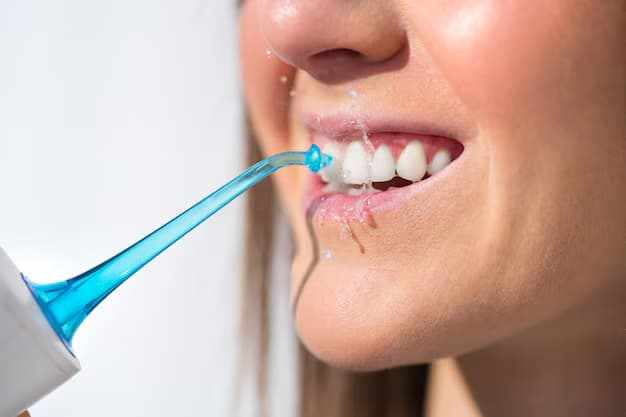
Brushing twice daily and flossing around and under the bridge help prevent plaque buildup. Special flossing tools may be recommended to clean beneath the bridge.
Good hygiene protects both the bridge and supporting teeth.
Regular Dental Checkups
Routine dental visits allow for professional cleaning and evaluation of the bridge. Early detection of issues helps maintain long term success.
Consistent monitoring supports durability.
Mindful Eating Habits
Avoiding excessive pressure from hard or sticky foods helps protect tooth bridges. Being mindful of habits such as chewing ice can reduce the risk of damage.
Healthy habits extend the life of restorations.
Who Can Benefit from Tooth Bridges
Tooth bridges are suitable for many individuals with missing teeth.
Candidates with Healthy Supporting Teeth
Strong and healthy adjacent teeth are important for traditional bridges. Proper evaluation ensures adequate support and long term success.
Healthy gums also play a critical role.
Individuals Seeking Non Removable Solutions
Tooth bridges offer a fixed alternative to removable options. This stability appeals to those seeking convenience and comfort.
Fixed restorations feel more like natural teeth.
The Emotional Value of Restored Smiles
Replacing missing teeth often brings emotional as well as physical benefits.
Renewed Confidence
A complete smile can significantly boost self confidence. Individuals often feel more comfortable in social situations after restoring missing teeth.
Confidence influences personal and professional interactions.
Motivation for Better Oral Care
Restorative treatment often encourages individuals to take better care of their oral health. This motivation supports long term dental wellness.
Positive outcomes inspire healthier habits.
Conclusion
Tooth bridges play a vital role in restoring both function and appearance for individuals with missing teeth. By improving chewing, speech, and smile aesthetics, tooth bridges help maintain oral balance and overall quality of life. With proper care and thoughtful planning, they offer a reliable and long lasting solution for tooth replacement.
For those seeking comprehensive restorative dental care and personalized treatment options, Clove Dental Ventura is committed to helping patients restore confident smiles and comfortable oral function through expertly planned tooth bridge solutions.





Write a comment ...