
Cavities remain one of the most common dental concerns affecting people of all ages. Even with regular brushing and flossing, certain areas of the teeth can be difficult to clean thoroughly, especially the deep grooves on the chewing surfaces of molars. This is where dental sealants play an important role. Dental sealants are a proven preventive solution designed to protect teeth from decay before cavities have a chance to develop.
This article explains why dental sealants are important for cavity prevention, how they work, who can benefit from them, and how they contribute to long term oral health. Written in a clear and informative way, it aims to help readers understand the value of dental sealants as part of preventive dental care.
Understanding Dental Sealants
Dental sealants are a preventive dental treatment designed to protect vulnerable areas of the teeth.
What Dental Sealants Are
Dental sealants are thin, protective coatings applied to the chewing surfaces of the back teeth. These teeth often have deep grooves and pits that can trap food particles and bacteria.
Sealants create a smooth surface over these grooves, making it harder for plaque and bacteria to settle and cause decay.
Why Molars Are More Prone to Cavities
Molars and premolars are used for grinding food, which increases their exposure to food debris. Their uneven surfaces are difficult to clean effectively with a toothbrush.
Dental sealants act as a barrier that shields these high risk areas from cavity causing bacteria.
How Dental Sealants Prevent Cavities
Dental sealants work by protecting the tooth surface from harmful elements.
Blocking Bacteria and Food Particles
Once applied, dental sealants seal off deep grooves where bacteria often hide. This prevents plaque buildup and reduces the risk of enamel breakdown.
By blocking these spaces, sealants help maintain stronger tooth surfaces.
Supporting Enamel Protection
Dental sealants complement fluoride by adding an extra layer of protection. While fluoride strengthens enamel, sealants physically block decay from forming.
This combined approach enhances cavity prevention.
Reducing the Need for Future Treatments
Preventing cavities early helps avoid the need for fillings or more complex dental procedures later.
Dental sealants contribute to long term cost effective dental care.
The Dental Sealant Application Process
Understanding the application process helps patients feel more comfortable with treatment.
Cleaning and Preparation
Before applying dental sealants, the teeth are thoroughly cleaned to remove plaque and debris. This ensures proper adhesion.
Clean surfaces allow sealants to bond effectively.
Applying the Sealant Material
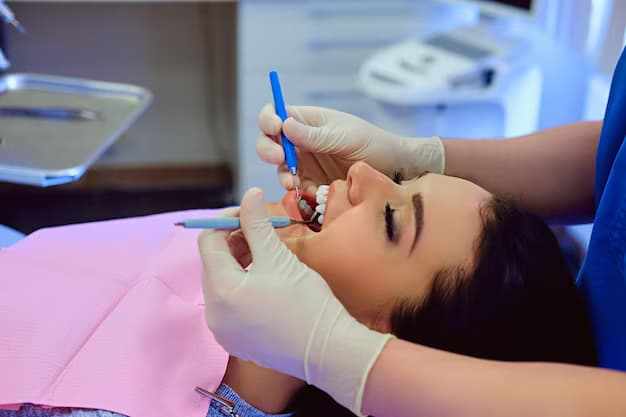
The sealant material is painted onto the chewing surface of the tooth. It flows into grooves and pits.
A special light may be used to harden the sealant quickly.
Quick and Painless Procedure
The application process is painless and does not require drilling or anesthesia.
This makes dental sealants suitable for children and adults alike.
Who Can Benefit from Dental Sealants
Dental sealants are beneficial for many age groups and dental conditions.
Dental Sealants for Children
Children are among the primary beneficiaries of dental sealants. Newly erupted permanent molars are especially vulnerable to cavities.
Applying sealants early helps protect teeth during critical development years.
Dental Sealants for Teenagers
Teenagers may benefit from sealants as their eating habits and oral hygiene routines change.
Sealants offer continued protection during adolescence.
Dental Sealants for Adults
Adults without decay or fillings in their molars can still benefit from dental sealants.
Sealants help prevent new cavities and protect natural tooth structure.
Dental Sealants and Overall Oral Health
Dental sealants contribute to more than just cavity prevention.
Supporting Better Oral Hygiene
With sealed grooves, teeth are easier to clean during daily brushing.
Improved hygiene reduces the risk of gum disease and plaque buildup.
Preventing Tooth Sensitivity
By protecting enamel, dental sealants may help reduce sensitivity caused by early enamel wear.
Stronger enamel supports comfort during eating and drinking.
Preserving Natural Teeth
Preventive treatments like dental sealants help preserve natural teeth for longer periods.
Healthy teeth contribute to better overall health and function.
Effectiveness and Longevity of Dental Sealants
Dental sealants are a reliable and long lasting preventive solution.
How Long Dental Sealants Last
Dental sealants can last several years with proper care. Regular dental checkups allow for monitoring and reapplication if needed.
Longevity depends on oral habits and wear.
Ongoing Monitoring and Maintenance
Dental professionals check sealants during routine visits to ensure they remain intact.
Maintenance ensures continuous protection.
Dental Sealants Compared to Other Preventive Treatments
Dental sealants work alongside other preventive measures.
Dental Sealants and Fluoride
Fluoride strengthens enamel, while dental sealants physically protect tooth surfaces.
Together, they provide comprehensive cavity prevention.
Sealants Versus Fillings
Sealants prevent decay before it starts, while fillings treat cavities after damage occurs.
Prevention is always preferable to restoration.
Common Myths About Dental Sealants
Understanding the facts helps patients make informed decisions.
Sealants Are Only for Children
While commonly used for children, dental sealants are also effective for adults.
Eligibility depends on tooth condition rather than age.
Sealants Are Uncomfortable
The application process is painless and quick.
Most patients experience no discomfort at all.
Sealants Replace Brushing and Flossing
Dental sealants support oral hygiene but do not replace brushing and flossing.
Daily care remains essential.
The Role of Dental Sealants in Preventive Dentistry
Preventive dentistry focuses on protecting teeth before problems develop.
Early Intervention for Better Outcomes
Applying dental sealants early helps prevent cavities during vulnerable stages.
Early prevention leads to better long term outcomes.
Encouraging Healthy Dental Habits
Preventive treatments often motivate individuals to maintain regular dental visits.
Education and prevention go hand in hand.
Cost Effectiveness of Dental Sealants
Dental sealants offer financial benefits over time.
Preventing Expensive Treatments
Sealants reduce the likelihood of needing fillings, crowns, or root canal treatments.
Prevention lowers long term dental expenses.
Value of Preventive Care
Investing in dental sealants supports both oral health and financial wellness.
Preventive care offers lasting value.
Dental Sealants and Long Term Smile Protection
A healthy smile begins with prevention.
Maintaining Strong Chewing Surfaces
Sealants protect molars that are essential for chewing and digestion.
Functional teeth support daily comfort.
Confidence in Oral Health
Knowing teeth are protected allows individuals to feel confident about their oral health.
Confidence encourages consistent care.
Conclusion
Dental sealants are an essential tool in cavity prevention, offering a simple and effective way to protect vulnerable teeth from decay. By sealing deep grooves and preventing bacteria buildup, dental sealants support stronger enamel, better oral hygiene, and long term dental health for children, teens, and adults alike. As part of a comprehensive preventive care approach, dental sealants help reduce the risk of cavities and the need for future dental treatments.
For individuals seeking proactive solutions to protect their smiles and prevent tooth decay, Clove Dental Ventura remains committed to supporting long term oral health through preventive services like dental sealants and patient focused dental care.





Write a comment ...