
Dental injuries can occur unexpectedly during sports, recreational activities, or even while sleeping. Such injuries may involve chipped teeth, fractures, jaw pain, or damage to soft tissues in the mouth. Preventive dental solutions play an important role in reducing these risks, and mouth guards are among the most effective protective tools available. Understanding how mouth guards function and why they are important helps individuals take proactive steps toward safeguarding their oral health.
Understanding Dental Injuries and Their Causes
Dental injuries can range from minor enamel damage to severe trauma affecting teeth, gums, and the jaw. These injuries often require immediate attention and may have long term consequences if not prevented or treated promptly.
Common Situations That Lead to Dental Injuries
Dental injuries commonly occur during contact sports such as football, basketball, and hockey. They may also happen during recreational activities like cycling, skating, or gym workouts. In addition, nighttime teeth grinding can lead to wear, cracks, and jaw discomfort. Mouth guards provide essential protection in these situations.
Impact of Dental Trauma on Oral Health
Trauma to the mouth can result in tooth fractures, nerve damage, and misalignment. Injuries may also affect surrounding tissues, leading to pain and infection. Preventing trauma is often easier and less costly than treating its effects.
What Are Mouth Guards and How Do They Work
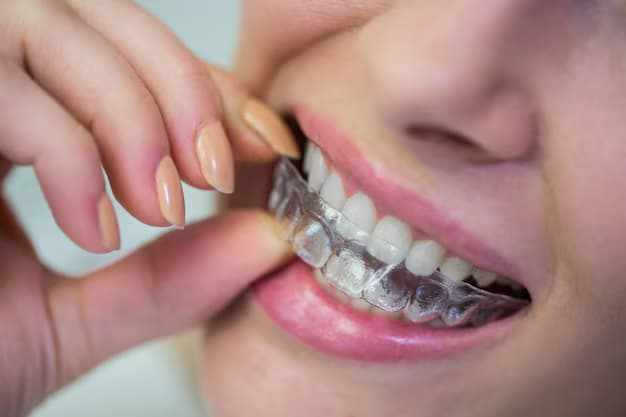
Mouth guards are protective dental appliances designed to cushion the teeth and jaw from impact or pressure.
Design and Function of Mouth Guards
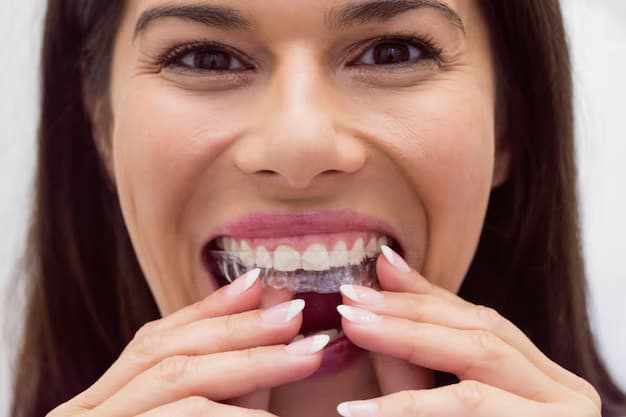
Mouth guards are typically made from durable, flexible materials that fit over the teeth. They act as a barrier between the upper and lower teeth, absorbing and distributing forces that might otherwise cause injury. This protective layer helps reduce the severity of impacts.
How Mouth Guards Absorb Shock
When an impact occurs, a mouth guard helps spread the force evenly across the teeth and jaw. This reduces the likelihood of a single tooth bearing the full impact, lowering the risk of fractures and dislodgement.
Preventing Sports Related Dental Injuries
Sports activities account for a significant number of dental injuries, especially among children and young adults.
Protection During Contact Sports
Contact sports involve frequent collisions and sudden movements that increase the risk of dental trauma. Wearing mouth guards during these activities helps protect teeth from direct blows and reduces the risk of broken or knocked out teeth.
Benefits for Non Contact Sports
Even non contact sports can pose risks due to falls or accidental collisions. Mouth guards provide an added layer of protection during activities where unexpected impacts may occur.
Role of Mouth Guards in Preventing Teeth Grinding Damage
Teeth grinding, also known as bruxism, can cause significant dental problems over time.
Reducing Wear and Tear on Teeth
Nighttime grinding places excessive pressure on teeth, leading to enamel wear and cracks. Mouth guards create a protective barrier that prevents direct tooth to tooth contact, reducing damage.
Alleviating Jaw and Muscle Strain
Grinding can also strain the jaw muscles and joints. Wearing mouth guards helps distribute pressure evenly, reducing discomfort and supporting jaw health.
Protecting Soft Tissues in the Mouth
Dental injuries do not only affect teeth. Soft tissues such as lips, cheeks, and tongue are also vulnerable.
Preventing Cuts and Lacerations
During impact, teeth can cause injuries to soft tissues inside the mouth. Mouth guards cover sharp edges and reduce the likelihood of cuts and lacerations.
Supporting Overall Oral Safety
By protecting both teeth and soft tissues, mouth guards contribute to comprehensive oral safety during physical activities.
Types of Mouth Guards Available
There are different types of mouth guards designed to meet various needs and preferences.
Stock Mouth Guards
Stock mouth guards are pre formed and ready to use. While they offer basic protection, they may not provide the best fit or comfort.
Boil and Bite Mouth Guards
Boil and bite mouth guards are softened in hot water and then molded to the teeth. They offer a better fit than stock options and are commonly used for sports protection.
Custom Fitted Mouth Guards
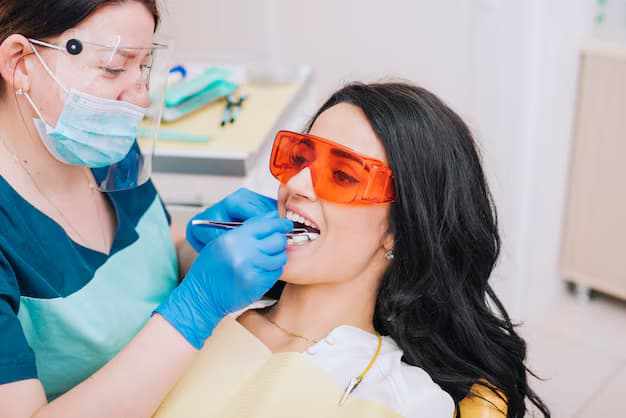
Custom fitted mouth guards are designed based on individual dental impressions. They provide the best fit, comfort, and level of protection. Dentists often recommend these for optimal safety and effectiveness.
Importance of Proper Fit and Comfort
The effectiveness of mouth guards depends largely on how well they fit.
Enhancing Protection Through Proper Fit
A well fitted mouth guard stays securely in place during activity. This stability ensures consistent protection and reduces the risk of displacement during impact.
Encouraging Consistent Use
Comfort plays a key role in whether individuals wear mouth guards regularly. A comfortable fit increases the likelihood of consistent use, which is essential for injury prevention.
Long Term Benefits of Using Mouth Guards
Using mouth guards consistently offers benefits beyond immediate injury prevention.
Reducing the Need for Emergency Dental Care
By preventing injuries, mouth guards help reduce the likelihood of emergency dental visits. This saves time, reduces stress, and lowers treatment costs.
Supporting Long Term Oral Health
Protecting teeth from trauma and grinding helps maintain their strength and structure over time. Mouth guards support long term oral health by minimizing damage.
Caring for and Maintaining Mouth Guards
Proper care extends the life and effectiveness of mouth guards.
Cleaning and Storage Tips
Mouth guards should be cleaned after each use with mild soap and water. They should be stored in a ventilated case to prevent bacterial growth and maintain hygiene.
Replacing Mouth Guards When Needed
Over time, mouth guards may wear out or no longer fit properly. Regular evaluation ensures continued protection and effectiveness.
Educating Children and Adults About Mouth Guard Use
Education plays an important role in promoting preventive dental care.
Encouraging Use in Young Athletes
Teaching children the importance of wearing mouth guards during sports helps establish healthy habits early. Consistent use reduces the risk of dental injuries during formative years.
Raising Awareness Among Adults
Adults involved in sports or experiencing teeth grinding also benefit from understanding the protective value of mouth guards. Awareness encourages proactive oral care.
Conclusion
Mouth guards are a simple yet highly effective solution for preventing dental injuries and protecting oral health. By absorbing impact, reducing grinding damage, and safeguarding soft tissues, they play a crucial role in maintaining strong and healthy teeth. Whether used during sports or at night, mouth guards provide valuable protection that helps avoid pain, costly treatments, and long term complications. For individuals seeking professional guidance and quality dental protection solutions, Clove Dental Ventura remains dedicated to promoting oral safety and helping patients preserve their smiles through preventive care.





Write a comment ...